

blog
Cooking & Peeling Homemade Baby Food
Key Takeaways
Quick Overview- This guide explains how to wash, peel, and cook fruits and vegetables when making homemade baby food. It covers which foods need peeling for safety or texture, which can be left as-is, and when cooking is necessary versus optional. The advice is practical and aimed at parents just starting their baby on solid foods.
- Peeling: Peel fruits and vegetables if the skin is fibrous, chewy, or inedible, such as apples, peaches, kiwi, and mangoes.
- Cooking: Cook firm or tough foods like sweet potatoes, apples, and leafy greens; soft foods like bananas, avocado, and ripe pears can be mashed raw.
- Washing: Always rinse fruits and vegetables before preparing them, regardless of whether you plan to peel or cook them.
Congrats, moms and dads! If your baby is showing signs he’s ready for solid foods, it means you’ve made it through those tough/wouldn’t-trade-them-for-anything first months of parenthood. On to the next really fun, really messy chapter of life with baby: real food!
If you’re planning to make homemade baby food, you might have a lot of questions, like “Do I have to peel raspberries?” (No, that’s insane.), and “Should I always cook pears?” (Read on, we’ll get to that!). This really simple guide will clear things up and have you prepped to prep just about any ingredient to make a healthy baby food.
ALWAYS Wash Fruits & Veggies for Your Baby
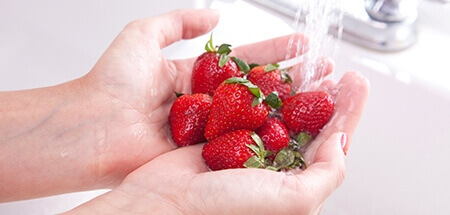
This might be a no-brainer, but you should get in the habit of giving fruits and veggies a good rinse before you do anything else.
USUALLY Peel Fruits & Veggies for Your Baby
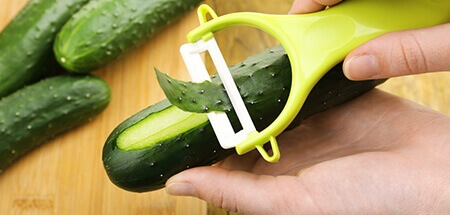
Peel It:
- If YOU wouldn’t eat it unpeeled. We’re talking kiwi, bananas, mangoes, pineapple…you get the idea.
- If the skin is fibrous and chewy. The skins of an apple, peach or cucumber (just a few examples) might not puree smoothly and could be a choking hazard for new eaters. Play it safe and peel until they’re ready to take on more textured foods.
- If you don’t like the taste. Some peels, like a carrot’s, can add a bitter flavor that you and your LO might not love.
Don’t Peel It:
- If it’s barely a peel, and more like a part of the fruit or vegetable. Cherries, blueberries and other berries, peas and green beans are all good examples. Be sure to puree thoroughly, and if it still seems a little too chunky, you can separate the skins by straining through a fine mesh sieve.
SOMETIMES Cook Fruits & Veggies for Your Baby
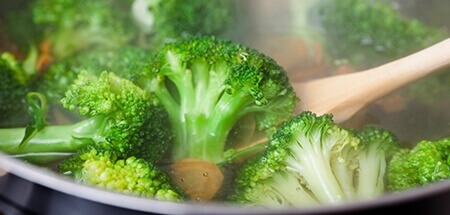
Don’t Cook It:
- If you can mash it with a fork when it’s raw. For tender foods like avocadoes, any kind of berries, bananas or a very ripe pear cooking is optional.
Cook It:
- If it’s firm and can’t be mashed up when raw. Firmer, fork-resistant fruits and veggies like sweet potatoes, apples and cauliflower all need to be cooked until tender enough to puree.
- If it’s tough to chew. Raw leafy greens like spinach and kale can be tough for even an experienced eater, so it’s best to soften them a bit before you puree for your LO.
- Fun fact: Beech-Nut Naturals & Organics are made using a special gentler cooking process, similar to a double boiler you’d use at home.
Seems pretty simple, right? If you have more first food questions, you can find great advice about transitioning to solids in this new guide. Or if you’re ready to get cooking, check out some of our favorite first foods and some simple tips for making and freezing homemade baby food.